Living Empowered / 6 minutes
Strengthen Your Support Systems — Why Community Is Part of Healing
Healing in isolation is harder than it has to be. The work was never meant to be done alone.
For most of my early adulthood, I tried to heal in private.
I read the books alone. I journaled alone. I had insights alone. I struggled, mostly, alone.
And it kind of worked. I made progress. I had moments of real growth. But the deepest healing — the kind that actually shifted who I was — didn't start happening until I let other people in.
The truth I want to name today is one most personal development culture skips: healing is not a solo project.
The wounds you carry were formed in relationship. They are healed in relationship. Not necessarily the same relationships that formed them — but in the presence of human witness, human warmth, human company.
You were not built to heal alone. No one is.
Why Isolation Feels Safer
If you grew up in a home where relationships were unsafe, isolation can feel protective.
Relationships hurt. So you learned to handle things on your own. You became self-sufficient. You stopped asking for help. You convinced yourself that needing other people was weakness — or at least, unwise.
That belief was protective once. It kept you from being hurt by people who weren't safe. It allowed you to function in conditions where help wasn't actually available.
But it has a cost. The cost is that you carry your healing alone, when the healing requires company.
The cost is that you go through hard moments without witness, when witness is part of what makes hard moments survivable.
The cost is that you become a fortress when what you actually long to be is a person in a community.
What Real Support Looks Like
Real support is not the same as having a lot of people in your life.
You can have many friends and very little real support. You can have one or two people and a robust support system.
Real support has specific qualities:
It doesn't require you to perform. A real support is someone you can be honest with. Someone you don't have to manage. Someone who can hold the truth of you without flinching.
It's reciprocal. Real support is mutual. You're not always the one giving; they're not always the one taking. There's an exchange of care, even if it doesn't look identical.
It can hold what's hard. Real support doesn't disappear when you're struggling. It doesn't get uncomfortable when you cry. It doesn't try to fix you out of its own discomfort.
It values your healing. Real support isn't threatened when you grow. It doesn't pull you back to old patterns. It celebrates your evolution.
Most people don't have many relationships that meet all of these qualities. Most people have one or two. That's enough — if you cultivate them.
Building a Support System
If your support system is thin, here's where to begin:
Inventory what you have. Who in your life can you be honest with? Who can hold something hard? Who has been there in past difficult moments? You may have more than you realize. Or you may notice gaps. Either is useful information.
Tend the relationships you have. Real support doesn't appear out of nowhere. It's built. Reach out to the people who matter. Ask about their lives. Show up. Let them show up for you. The investment compounds.
Ask for help in small ways first. If you're someone who hasn't asked for help in years, start with low-stakes requests. Can you read this and tell me what you think? Can you come for a walk? Can I tell you about a hard conversation I had? The small asks build the muscle for bigger ones.
Allow yourself to receive. Many people are excellent at giving and terrible at receiving. Letting someone show up for you, without immediately repaying it, is a healing act. It teaches your inner self that you don't have to earn care.
Find professional witnesses. A therapist, a coach, a spiritual director — paid relationships count. They are not lesser than friendships. They are designed for a specific kind of witness that friends sometimes can't provide. Don't dismiss them.
Consider community. A cohort, a small group, a class, a recovery group — collective spaces where healing is done together provide a kind of support that one-to-one relationships can't fully replicate. There's something specific about being in the room with others on the same path.
The Cohort Approach
This is part of why I run the 6-month Healing Your Inner Child Cohort the way I do.
The work of healing is hard. The work of healing in community is still hard, but it's also held. You're not the only one walking through difficult terrain. You're surrounded by other people doing the same work, witnessing each other's progress, holding each other through the parts that feel impossible.
What I see in cohort members, again and again, is that the community itself becomes part of the healing. Not as an extra. As an essential element.
A person can sit with an insight in their journal for years without it landing the way it lands when they say it out loud in front of seven other people who really see them. The witness changes the experience. The community changes what the work can do.
You don't have to be in a cohort to access this. You can find it in many forms. But find it. The healing happens differently when you stop trying to do it alone.
The Vulnerability That Builds the Bridge
Real support requires vulnerability. There's no way around this.
You cannot have a deep relationship with someone you don't let see you. You cannot receive support you don't ask for. You cannot be witnessed without being willing to be seen.
For people who have spent their lives protecting themselves through self-sufficiency, vulnerability feels dangerous. Of course it does. It was dangerous, once, in the original moment.
But you are not in that original moment anymore. You are an adult, with the discernment to choose who to be vulnerable with, and the resources to recover if a vulnerability isn't received well.
You can practice. Small vulnerabilities first. With safer people first. Building the muscle slowly.
Each small act of letting someone in is a vote for the version of you that doesn't have to do this alone.
Healing Is Plural
I want to leave you with this:
Whatever you're working through, you don't have to work through it alone.
The version of healing that requires perfect self-sufficiency is a myth. The deepest healing happens in the presence of witness. The patterns that resist your solo efforts often dissolve in the company of others on the same path.
You were built for community. The fact that community has hurt you in the past doesn't change what you were built for.
The work is to find the company that can hold you well — and to let yourself be held.
You're allowed to need people. You're allowed to lean. You're allowed to be supported.
That's not weakness. That's how human beings are designed to heal.
You don't have to do this alone.
You never did.
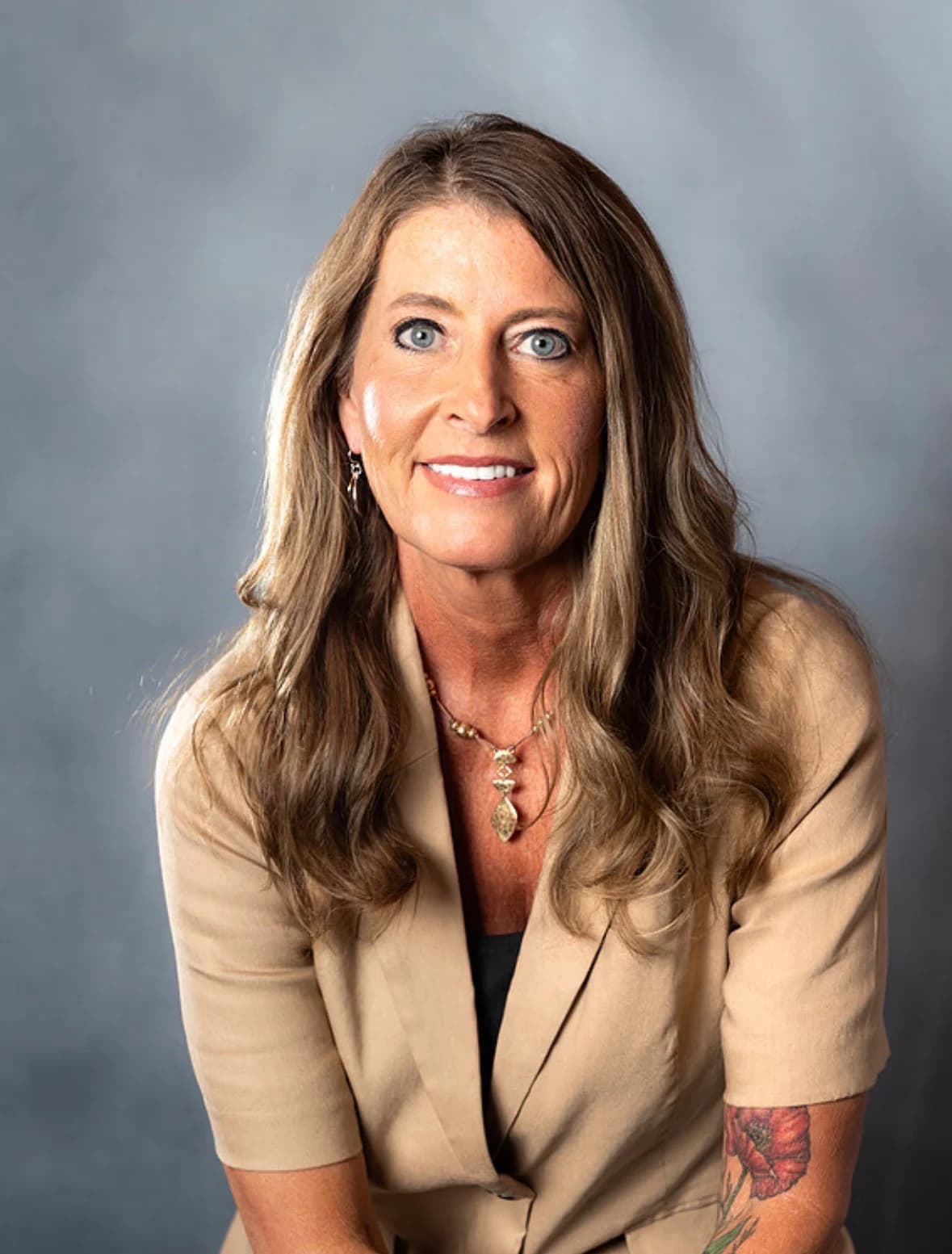
Kandace Cain
Kandace is a trauma-informed relationship coach, author, speaker, and mother. Her work invites individuals and couples to meet the parts of themselves they have carried alone with compassion and curiosity.