Understanding Yourself / 8 minutes
Become Aware of How Your Attachment Wound Shows Up
An attachment wound isn't always a dramatic story. Sometimes it's the quiet ache of believing you're too much, or not enough — and not knowing where the belief came from.
There's a particular kind of ache I see often in people I work with. It's not loud. It doesn't always have a story attached to it. But it shows up in the same place, in the same shape, again and again.
It's the ache of believing — somewhere underneath everything — that there's something fundamentally wrong with you. That you're too much. Or not enough. That if people really knew you, they'd leave. That love is something you have to earn, and you're never quite earning enough.
That ache is the signature of an attachment wound.
And it didn't come from nowhere. It came from somewhere — even if the somewhere is hard to name.
What an Attachment Wound Is
An attachment wound is the imprint of an early relationship that didn't quite meet your needs.
It doesn't have to be dramatic. Sometimes attachment wounds form in homes where there was no abuse, no neglect anyone could point to, nothing visible from the outside. The wound is in the mismatch — between what you needed as a child, and what was available to you.
If you needed safety and the home was unstable, that's an attachment wound.
If you needed warmth and your caregivers were emotionally distant, that's an attachment wound.
If you needed to be seen and you were instead expected to perform, that's an attachment wound.
If you needed to be allowed your full range of feelings and you were instead told to be quiet, be polite, be okay — that's an attachment wound.
The wound isn't from one bad moment. It's from a thousand small moments of receiving the message who you are isn't quite right for this room.
That message gets internalized. It stops sounding like an outside voice and starts sounding like your own.
By the time you're an adult, you don't hear it as your mother's voice anymore. You hear it as your own thought. I'm too much. I'm not enough. I need to be different.
That thought is the wound, still speaking.
How the Wound Shows Up in Adult Life
Attachment wounds don't stay in childhood. They follow us into every relationship we have.
In partnership. You may find yourself attracted to people who are emotionally unavailable, then exhausting yourself trying to earn their attention. Or you may avoid intimacy altogether, keeping people at a polite distance because closeness feels unsafe.
In friendship. You may be the friend who gives endlessly and never asks for help. Or the friend who keeps everyone at arm's length, never quite letting anyone in. Or the friend who fears being forgotten, checking constantly to see if they still matter.
In parenting. You may parent in reaction to your own childhood — either repeating the patterns you swore you wouldn't, or swinging so far the other way that you exhaust yourself trying to be the perfect parent.
In your relationship with yourself. This is the deepest layer. Attachment wounds make you a harsh inner critic. They make rest feel undeserved. They make every small mistake feel like proof of your unworthiness. They make self-compassion feel foreign.
Until you start to see the wound for what it is — an old story you absorbed before you could choose otherwise — you'll keep mistaking it for the truth about who you are.
The First Step Is Recognition
The work doesn't start with healing. It starts with seeing.
Healing comes later. First, you have to be able to recognize the wound when it shows up.
Here's what recognition can sound like:
"That feeling I just had — that I'm too much, that I should make myself smaller — that's the wound. That's not who I am. That's a belief I learned."
"I'm pursuing this person who keeps pulling away. That's the wound, repeating a familiar dynamic."
"I just apologized for taking up space in a conversation. That's the wound, asking me to be less."
When you can name what's happening in real time, you create a small gap between you and the wound. That gap is everything. In that gap, you have a choice. You can keep running the old script, or you can do something different.
You won't always do something different. That's fine. The recognition itself is the beginning of healing.
The Wound Is Not You
I want to say this clearly, because people who have lived with attachment wounds often forget it: the wound is not who you are.
The wound is something that happened to you. The wound is the result of a relationship that couldn't meet you. The wound is real, and it deserves to be witnessed.
But the wound is not the truth about your worth. The truth about your worth was never up for debate. It was decided the moment you came into being. The wound just covered it.
The work of healing is not to become someone different. It's to clear away the wound so the truth of who you already are can be visible to you again.
That truth was always there. The wound was the lie.
Walking the Path Back
Recognizing your attachment wound is the doorway. Walking through it is the journey.
Story Work is one path through. So is therapy. So is the slow, patient practice of being witnessed by someone who can hold what you carry without trying to fix you.
You don't have to do this alone. You don't have to do it fast. You don't have to know what you're doing.
You just have to be willing to look at the ache and ask: Where did this come from? What would happen if I stopped believing it was the truth about me?
The first time you ask is the beginning. The journey unfolds from there.
You are not too much. You are not not enough. You are exactly who you have always been — underneath the story you absorbed before you had a choice.
That person is still in there. They've been waiting for you to come find them.
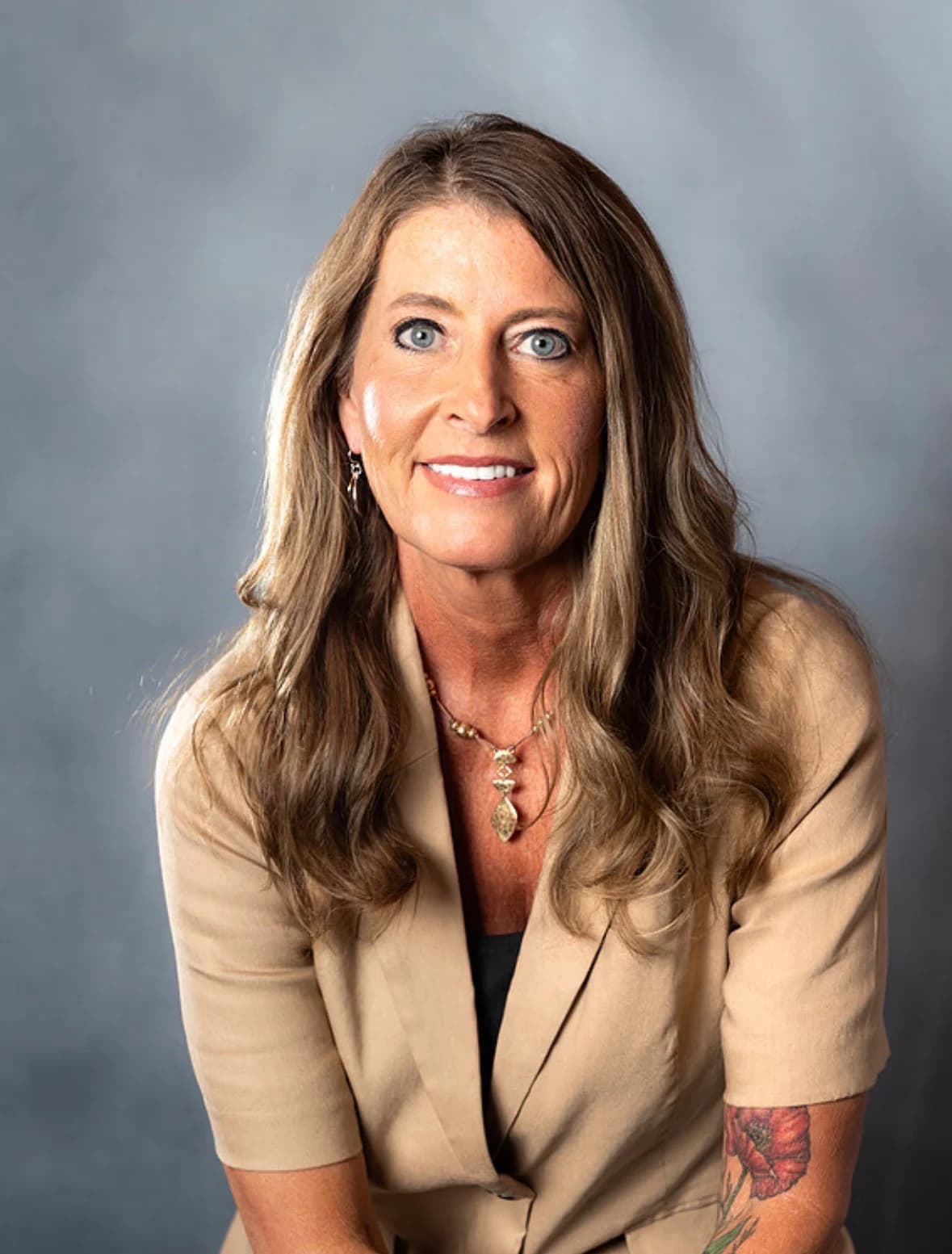
Kandace Cain
Kandace is a trauma-informed relationship coach, author, speaker, and mother. Her work invites individuals and couples to meet the parts of themselves they have carried alone with compassion and curiosity.